

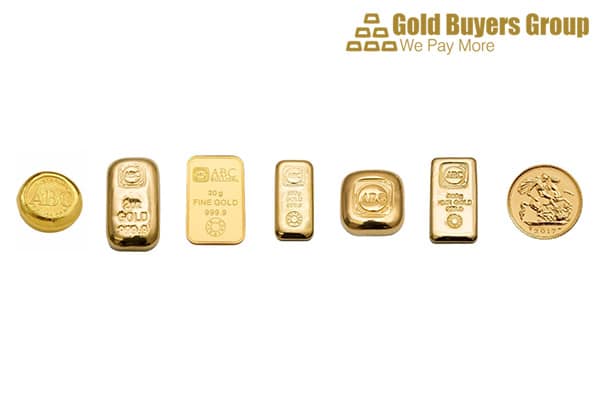
If your self-managed super fund holds physical gold bullion, there may come a time when selling it simply makes sense. Maybe the fund needs liquidity. Maybe gold has performed well and you want to lock in gains. Maybe the portfolio has drifted too heavily toward one asset and it’s time to rebalance. Whatever the reason, liquidating bullion inside an SMSF is not something most trustees do casually, and it should never feel vague or risky.
The good news is that selling SMSF gold doesn’t need to be complicated. The process is usually quite straightforward when the bullion is clearly held by the fund, the paperwork is in order, and you’re dealing with a buyer who understands both security and documentation.
For many Melbourne trustees, that’s the real priority. It’s not only about getting a fair market price; it’s also about making sure the sale is handled properly, recorded cleanly, and completed through a professional, secure process.
Why Do SMSF Trustees Generally Decide to Sell Gold Bullion?
Physical bullion can be a sensible SMSF holding, particularly for trustees who want exposure to precious metals as part of a broader long-term strategy. Still, circumstances change. A fund may need to release cash to meet pension payments, cover expenses, or adjust its asset mix. In other cases, trustees may decide the gold price is strong and the timing is right to realise value.
That’s often the practical side of the decision. Gold may have done exactly what it was meant to do, and selling part or all of the holding becomes the next logical step. For some trustees, it’s about discipline rather than urgency. When one asset grows too large within the fund, rebalancing is simply part of managing risk.
Selling SMSF Bullion is Not the Same as Selling Personal Gold
This is where many trustees become cautious, and rightly so. Selling bullion from an SMSF isn’t just a retail gold sale with a different label attached. The asset belongs to the fund, not to the individual trustee personally, and that distinction matters.
Before any sale takes place, the trustees should be clear that the bullion is properly recorded as an SMSF asset and that the transaction is being handled as a fund transaction. That means keeping ownership, approvals, and sale records clean. The actual sale itself may feel simple, but the documentation around it is part of what keeps the fund’s records tidy and defensible.
In plain terms, if the gold sits inside the SMSF, the sale should look and read like an SMSF sale from start to finish.
Here’s What to Have Ready Before You Liquidate SMSF Gold
Trustees don’t usually need a mountain of paperwork, but they do need the right paperwork. It helps to have purchase records, invoices, bar or coin details, and any supporting documents that show the bullion is fund-owned. If the fund acquired recognised bullion bars or coins, those details often make the process easier because the product type, purity, and weight are already well understood.
It’s also sensible to make sure the trustees are aligned before the sale begins. If there are multiple trustees, everyone should be clear on the decision and the transaction path (this avoids confusion later, particularly when the disposal needs to be reflected in the fund’s records).
This is one of those situations where being organised pays off. A clean file makes for a smoother sale.
How SMSF Gold Bullion is Usually Valued
Bullion pricing is generally more straightforward than jewellery pricing, which is one reason why many trustees prefer the asset class in the first place. The value usually comes down to product type, purity, weight, and the current market price of gold.
Recognised bars and bullion coins are often easier to transact because there’s less ambiguity around what is being sold. The buyer can assess the item quickly, confirm specifications, and quote against live market conditions. That tends to create a cleaner, more transparent process than assets where subjective resale value plays a larger role.
For SMSF trustees, transparency matters. You want to understand how the valuation was reached and how the final amount relates to the underlying gold price. The stronger the valuation process, the easier it is to keep the disposal properly documented within the fund.
Why the Buyer Matters, Especially for Higher-Value Bullion
Not every buyer is the right fit for SMSF bullion. When fund-held gold is being sold, price matters, but so do professionalism, discretion, and process.
That’s why many trustees prefer to work with a secure bullion dealer in the CBD rather than taking high-value assets through a more casual or retail-style setting. If you are carrying investment-grade bullion into the city, the experience should feel controlled and professional. You should know where you are going, who you are dealing with, how the items will be assessed, and what records will be produced.
For larger transactions, privacy also becomes more important. Trustees are often not looking for a flashy retail experience; they want confidence, clarity, and security. Fair enough.
What the Selling Process Usually Looks Like
In most cases, the process begins with the bullion being presented for inspection. The buyer confirms the product, checks the weight and purity, reviews any relevant documentation, and then makes an offer based on current market conditions.
If the offer is accepted, the transaction is recorded and payment follows according to the buyer’s process. From the trustee’s perspective, the goal is not only to complete the sale, but to complete it in a way that leaves a clear trail for the fund’s records. That’s the difference between simply selling gold and liquidating an SMSF asset properly.
A good buyer will make that process easier, not murkier.
Here are Some Common Mistakes Trustees Should Avoid
- The biggest mistake is blurring the line between personal and fund assets. Even when the bullion is physically in your possession, it still needs to be treated as SMSF property if that is how it’s held.
- The second mistake is weak documentation. A sale may be perfectly legitimate, but if the record-keeping is poor, it can create unnecessary headaches later.
- Another avoidable problem is focusing only on the headline price while ignoring the quality of the process. A slightly higher quote means less if the transaction is unclear, poorly documented, or handled in a setting that does not suit the value of the asset.
- Trustees should also avoid rushing into a sale without understanding exactly what is being offered and how the figure was reached.
When the asset sits inside super, tidy execution matters.
Selling SMSF gold in Melbourne?
If your fund is ready to liquidate bullion, the ideal outcome is simple: a fair market-based valuation, a secure transaction environment, and records that support clean SMSF administration afterwards.
For trustees looking to sell SMSF gold in Melbourne, working with a professional buyer can make the process much easier. Gold Buyers Group offers a secure CBD location for bullion valuations and understands the importance of handling higher-value gold sales with discretion and clarity.
To discuss your bullion or arrange an in-person assessment, contact Gold Buyers Group.